HAY
HAY · 2026
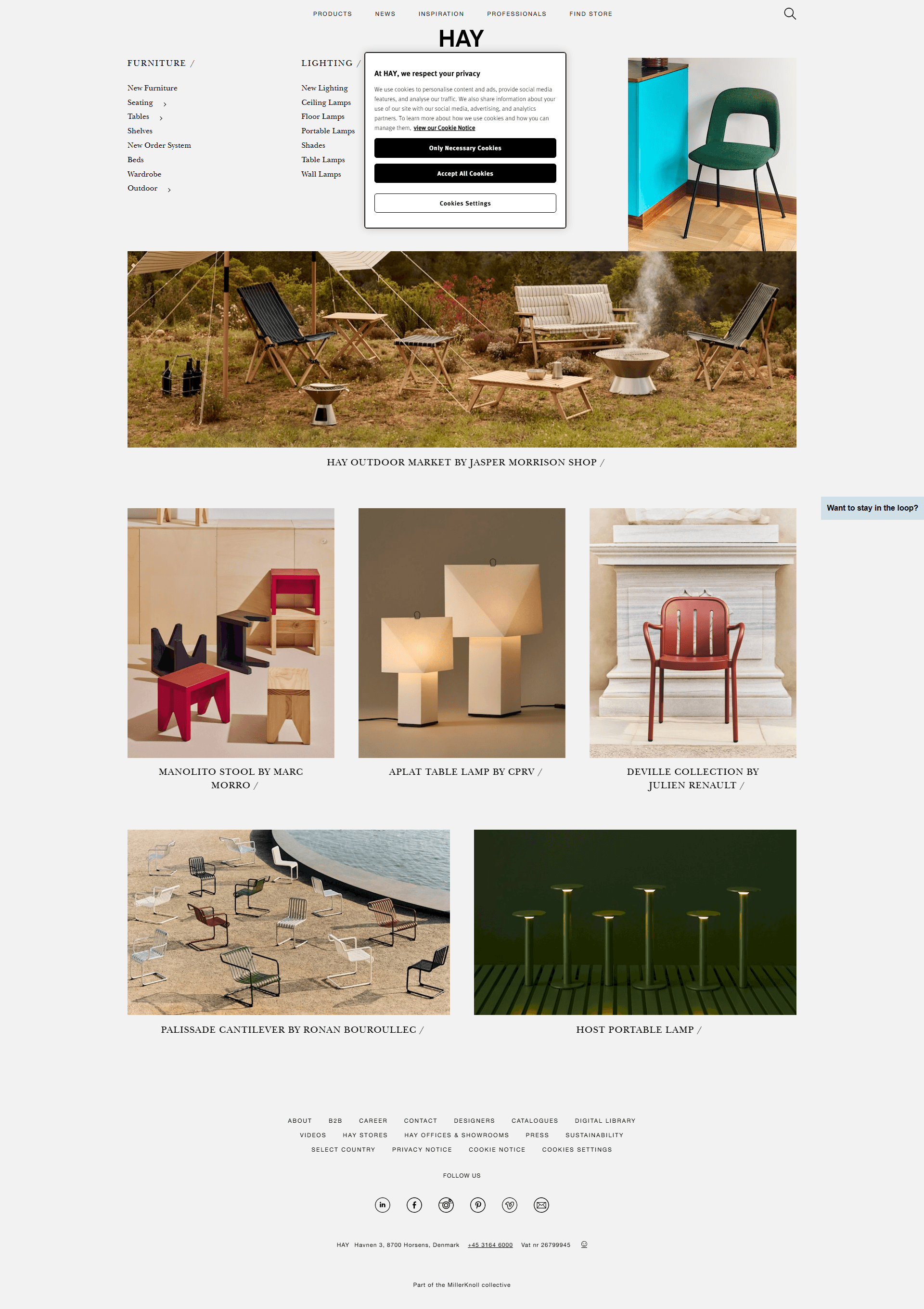
HAY is Scandinavian design at its purest — a Danish furniture company where every product, every color choice, every millimeter of whitespace reflects a design philosophy that treats simplicity as the highest form of sophistication. Their e-commerce site IS their brand: the grid layouts, the product photography, the generous negative space all communicate HAY’s values as clearly as any manifesto. With 83 product images, this became our most image-rich capture — and achieved a 100% asset success rate.
Scandinavian Design System
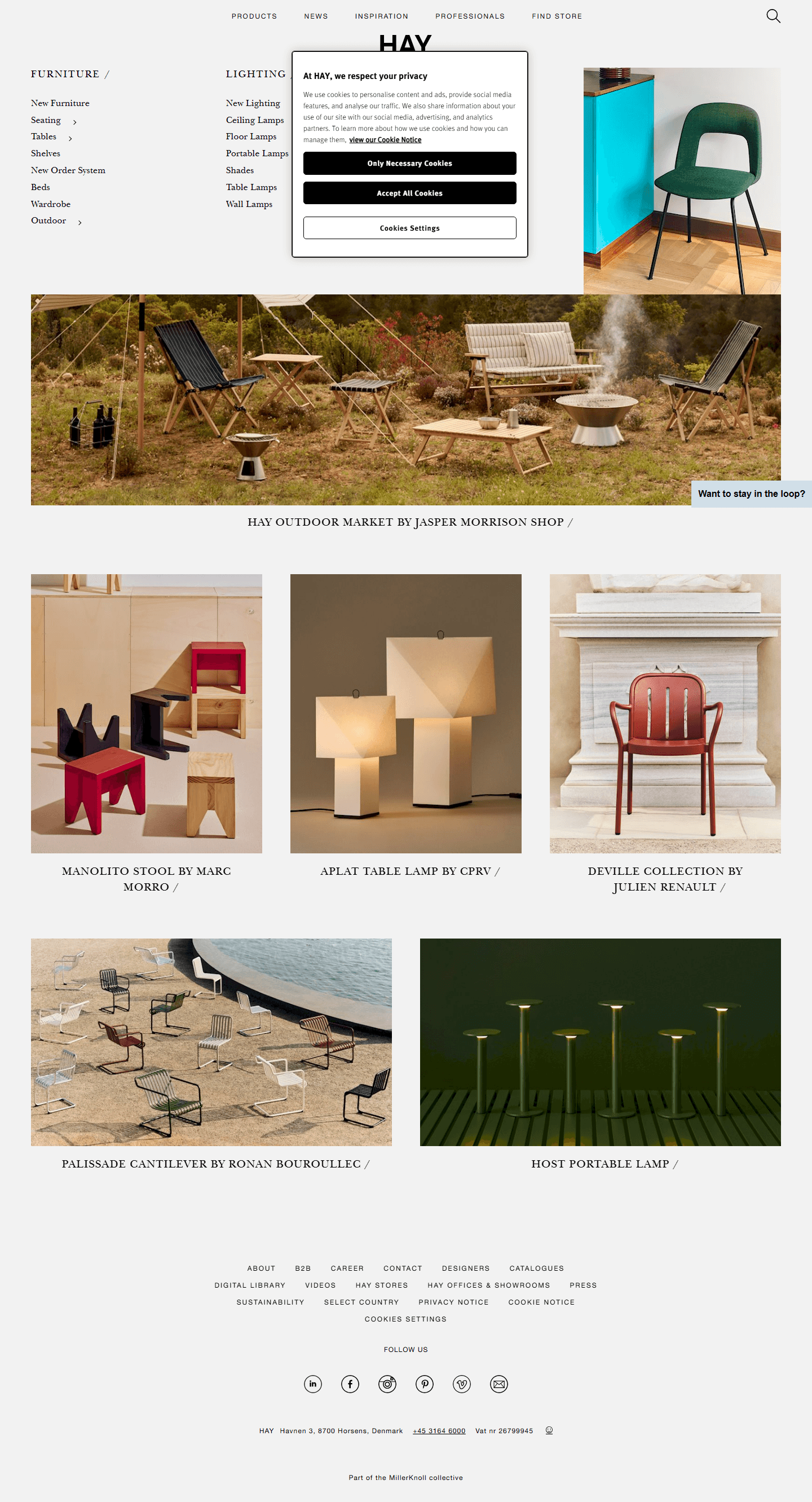
HAY’s design DNA is visible in every pixel of their website: generous whitespace that lets products breathe, a warm neutral palette (#E8E4DE) accented with bold pops of color drawn from the products themselves, and minimal interface chrome that never competes with the merchandise. The site doesn’t feel designed in the traditional sense — it feels curated, like walking through a HAY store where every object is placed with intention and surrounded by space.
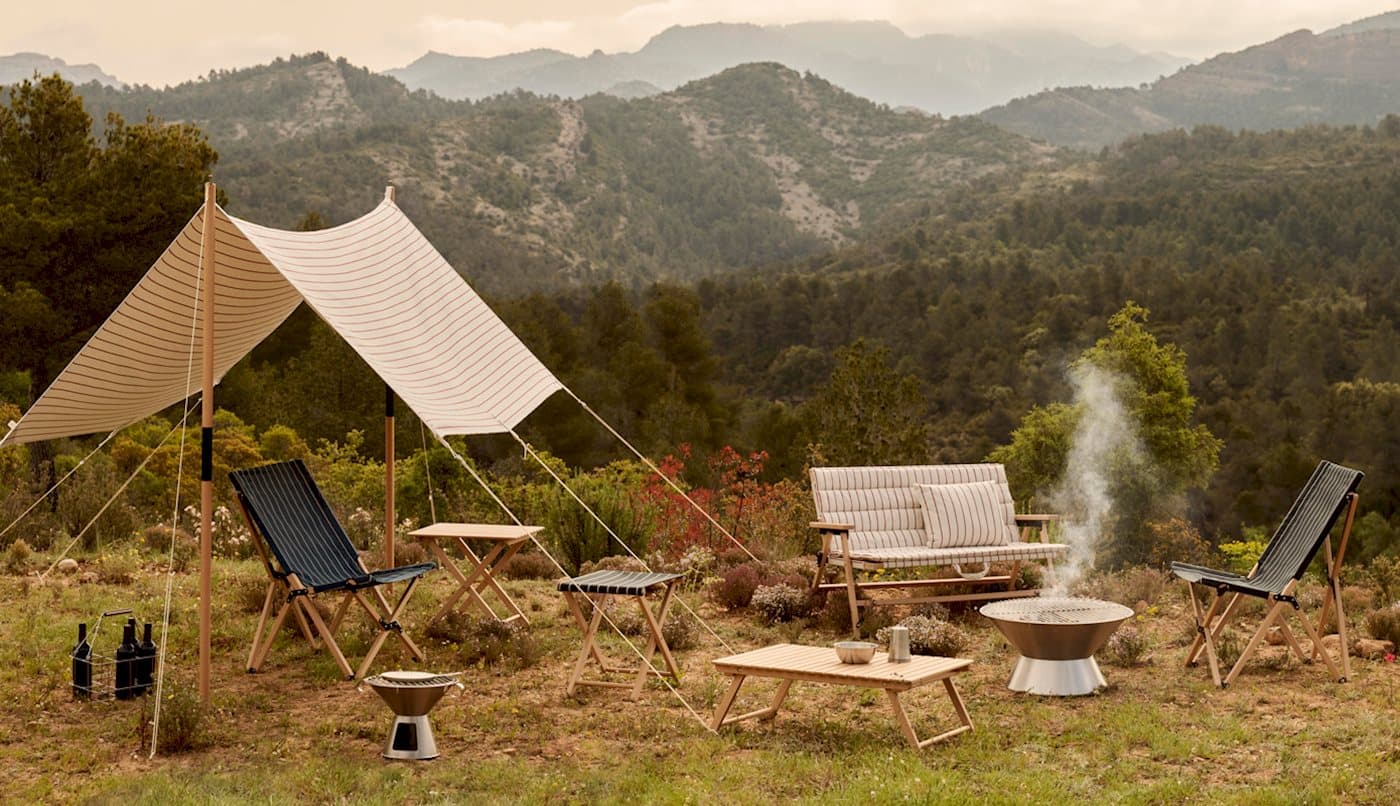
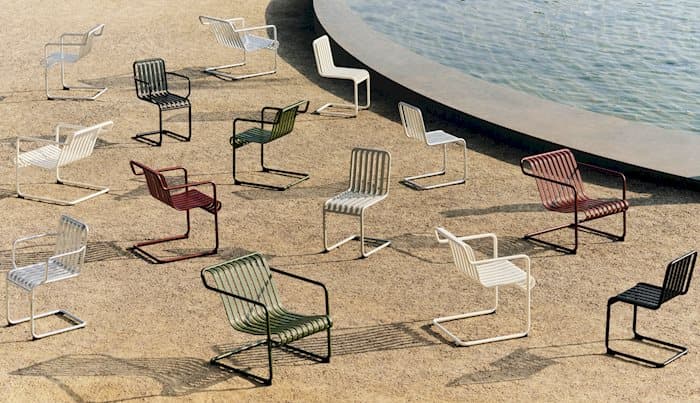
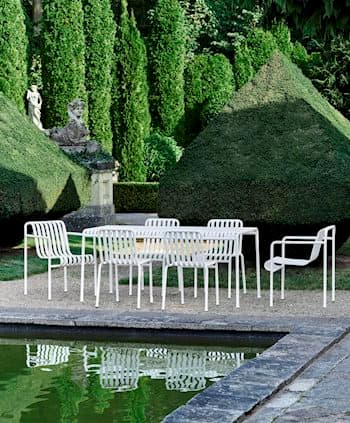
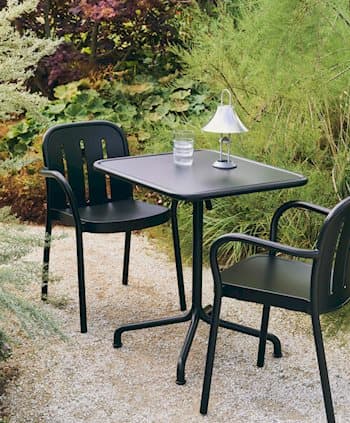
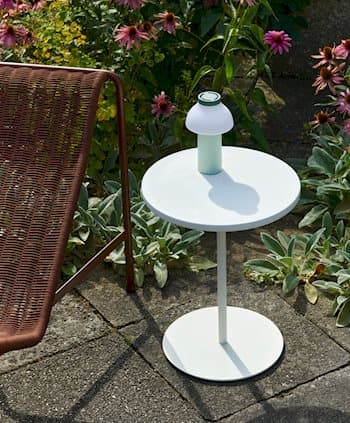
83 product images were captured, each one carefully art-directed in HAY’s signature style: clean backgrounds, consistent lighting, multiple angles that show both form and material. The product photography follows strict compositional rules — centered framing, neutral backdrops, controlled shadows — creating a visual rhythm across the grid that makes browsing feel meditative rather than overwhelming. It’s the opposite of the visual noise that characterizes most e-commerce sites.
The typography is deliberately understated: a single sans-serif family used at restrained sizes, never competing with the imagery. Navigation is minimal, almost invisible. The grid system uses consistent gutters and proportions that reference print design traditions — the kind of layout decisions that feel inevitable rather than designed. This deliberate simplicity is HAY’s greatest design achievement and the hardest quality to preserve in a static capture: the site’s beauty comes from what’s not there as much as what is.

E-Commerce at Scale
HAY runs on Shopify, which meant server-rendered HTML with predictable DOM structure — the ideal architecture for our capture pipeline. 83 product images, 4 CSS files, 2 font variants: a clean, well-organized asset footprint that reflects the same design discipline as the products themselves. No JavaScript animation libraries, no WebGL hero sections, no lazy-loading behind intersection observers. The images are in standard img tags with standard src attributes, exactly where our pipeline expects them.
The biggest filtering challenge was third-party tracking: 72 URLs from analytics, advertising, and conversion tracking services had to be correctly identified and excluded from our download queue. Our CDN auto-detection logic identified Shopify’s image CDN as the primary asset domain and correctly filtered everything else — Facebook pixels, Google Analytics, Klaviyo tracking, and dozens of other marketing integrations that are invisible to users but account for more than half of a typical e-commerce site’s network requests.
This capture demonstrates the difference between server-rendered e-commerce and SPA-based shops. Shopify’s architecture means the full product catalog is present in the initial HTML response — no hydration needed, no JavaScript execution required to reveal content. Compare this to headless commerce implementations where the same product data lives behind API calls and React components: those sites require our full Playwright rendering pipeline, while Shopify gives us everything in the first HTTP response. HAY’s 100% success rate and 83-image haul make it our strongest argument for server-rendered e-commerce.
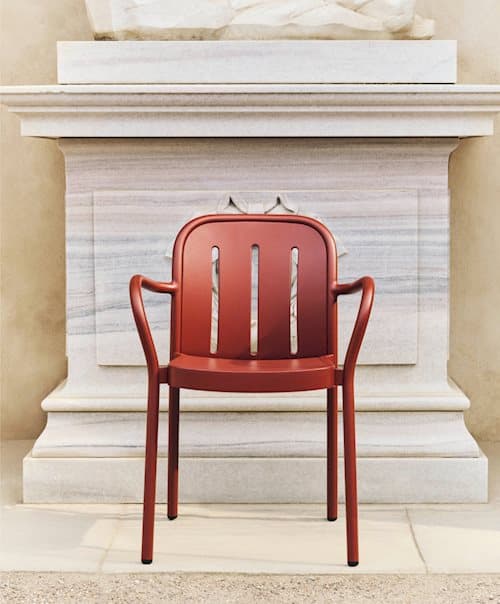
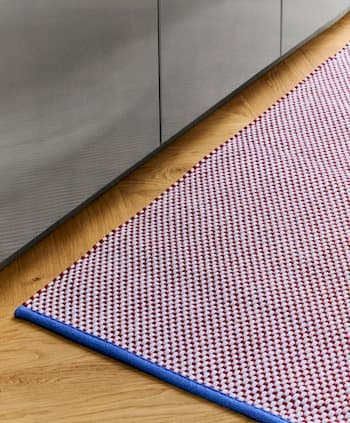
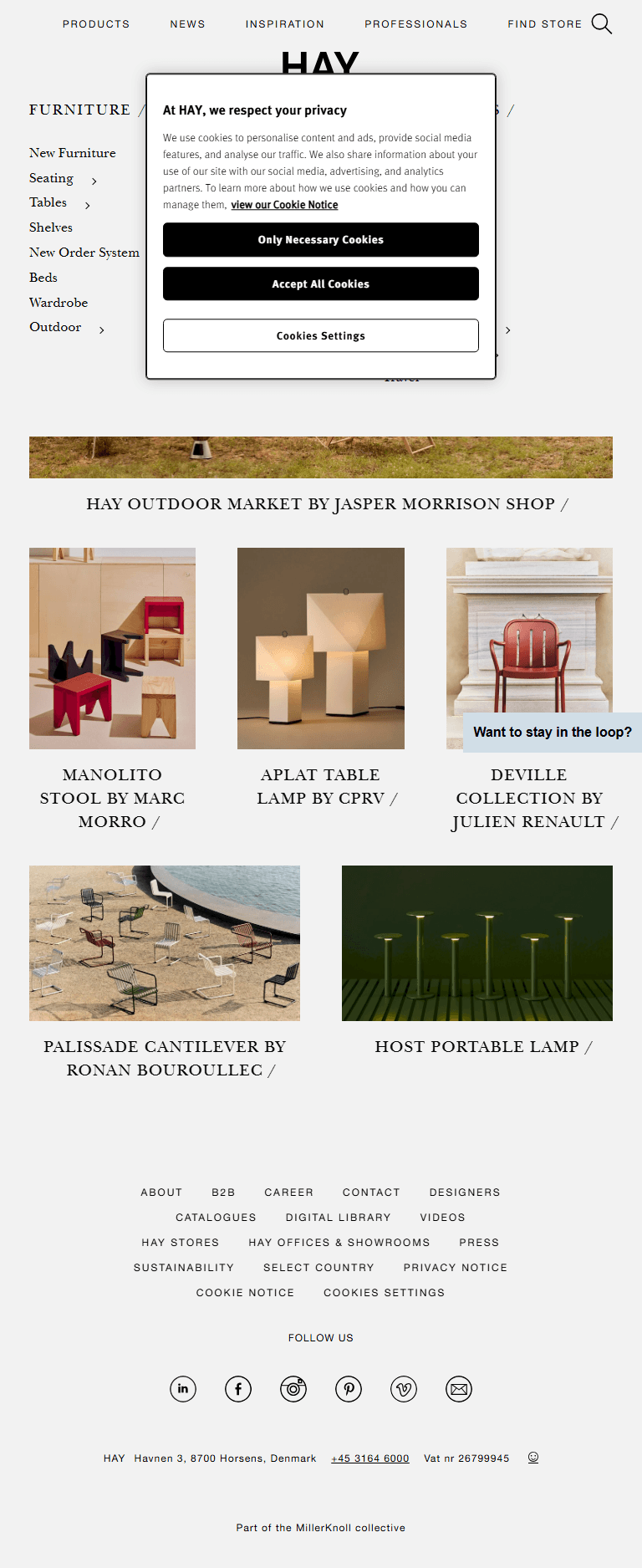
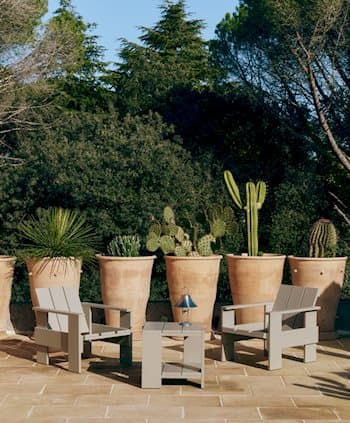
100% asset success rate capturing 83 product images — our most image-rich copy. Shopify’s server-rendered architecture made for a clean static capture, preserving HAY’s product-forward design system with its warm neutrals, bold color accents, and generous Scandinavian whitespace.