Warp
Warp · 2026
Warp represents the next generation of developer tools — a modern terminal rebuilt from scratch with AI-native features. Their website is built entirely on Framer, which means every image, every video, and every asset is hosted on framerusercontent.com. Our capture pipeline initially treated this CDN as third-party and filtered it out entirely. The result: a perfectly structured page with zero visual content. This became a case study in how hosting architecture can break assumptions built for traditional web stacks.
Developer-First Aesthetics
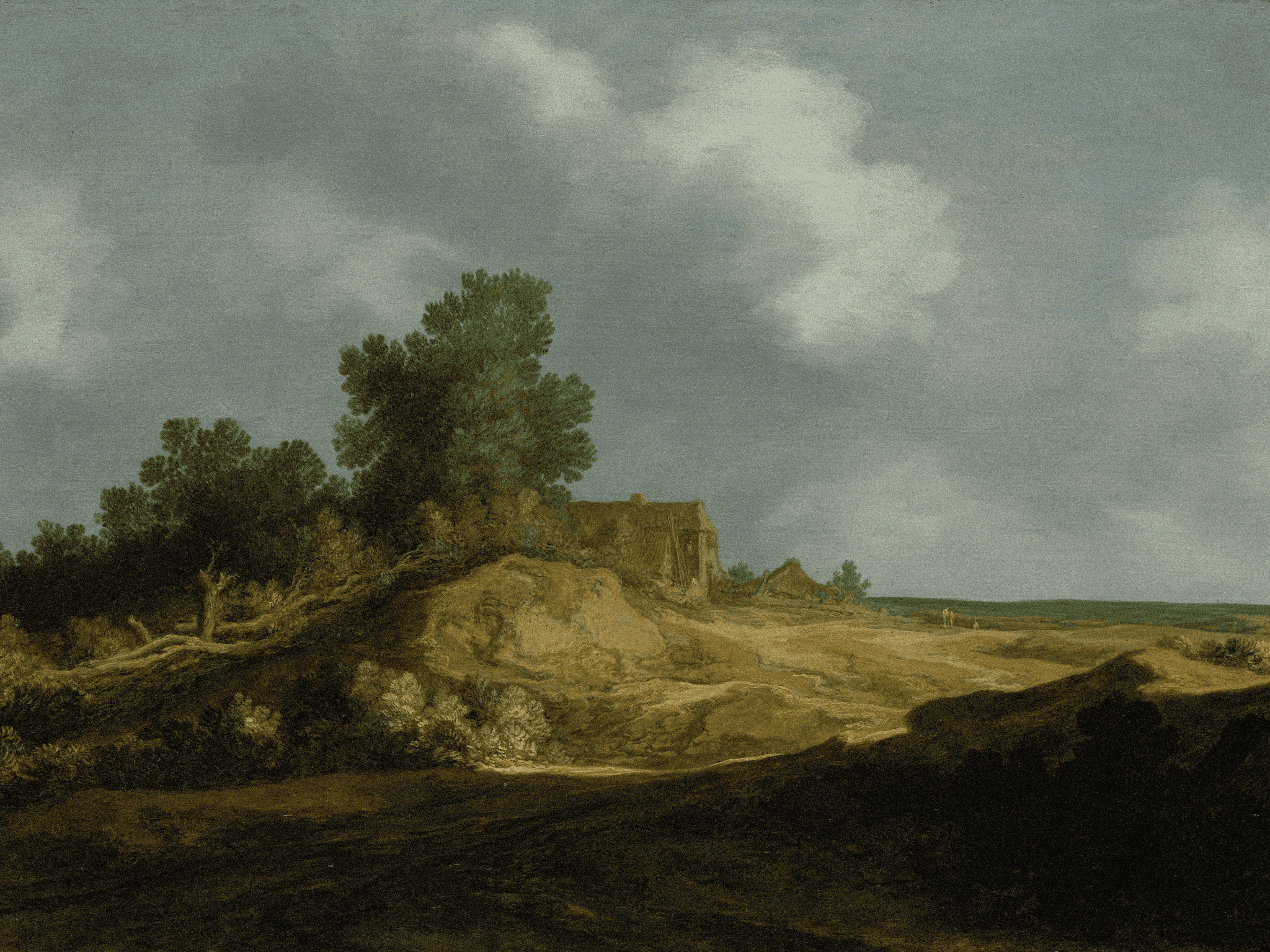
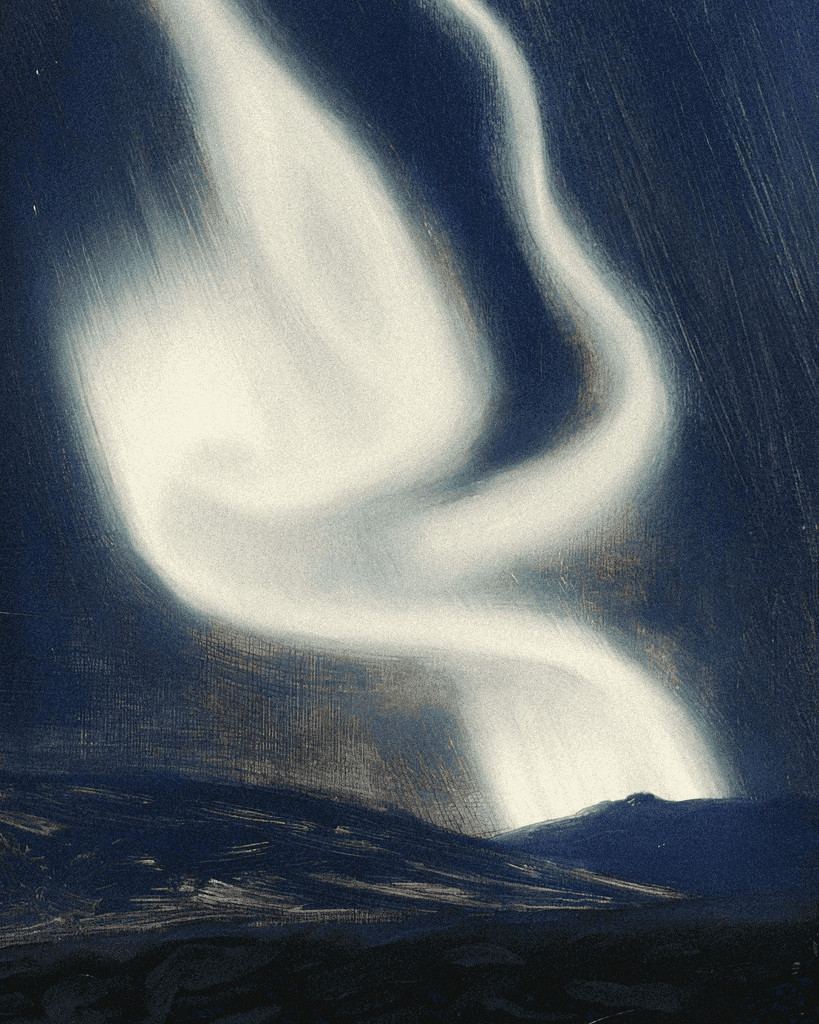
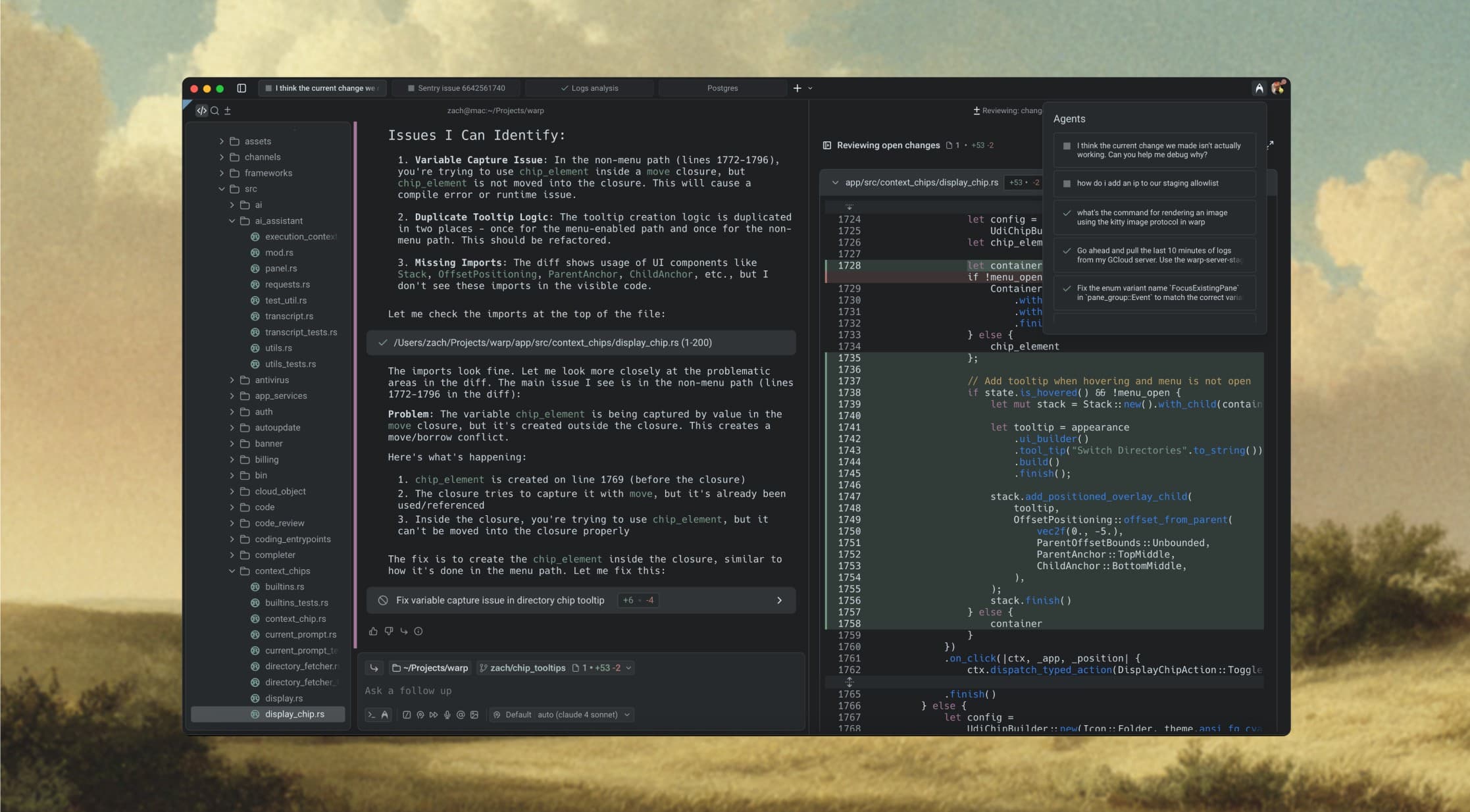
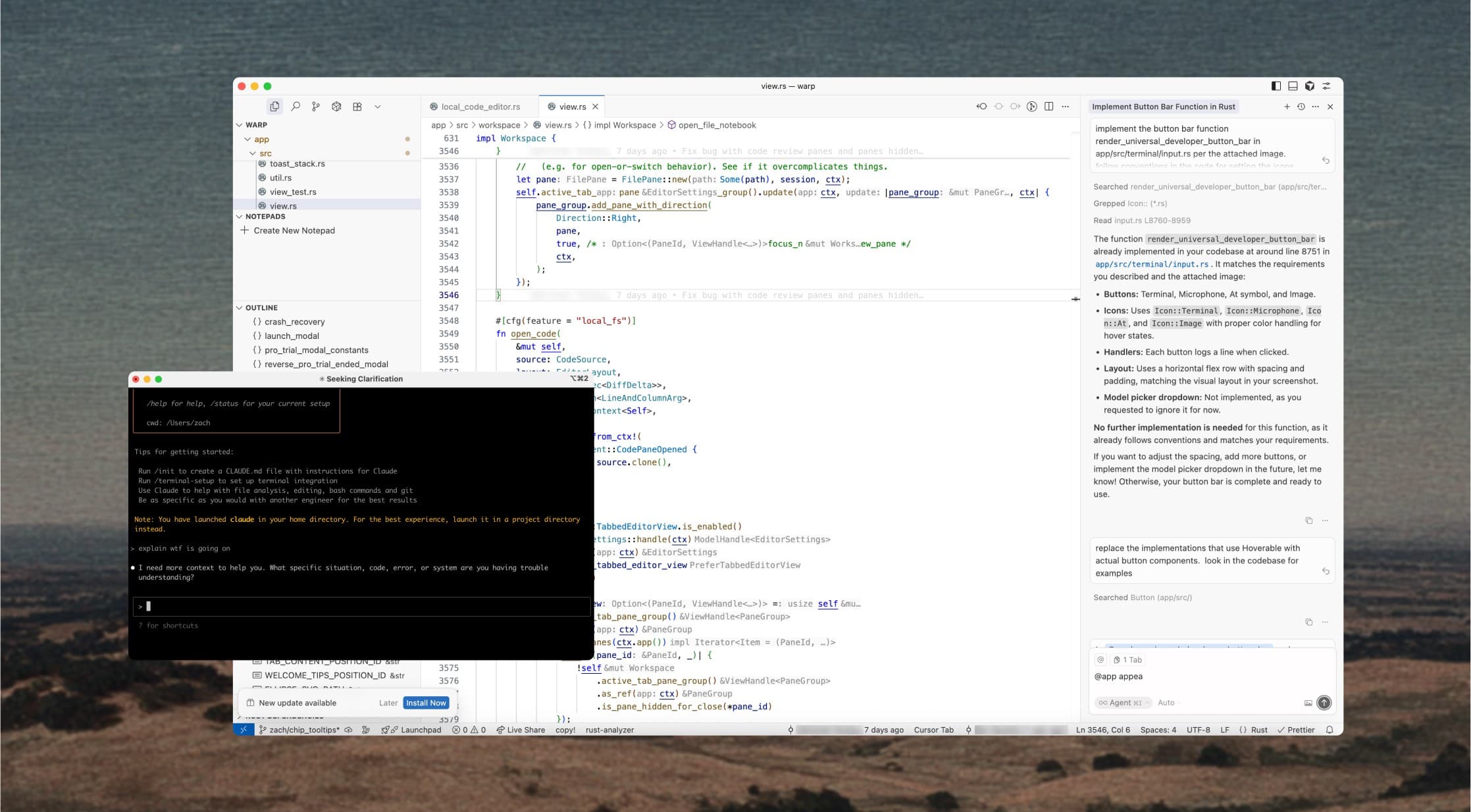
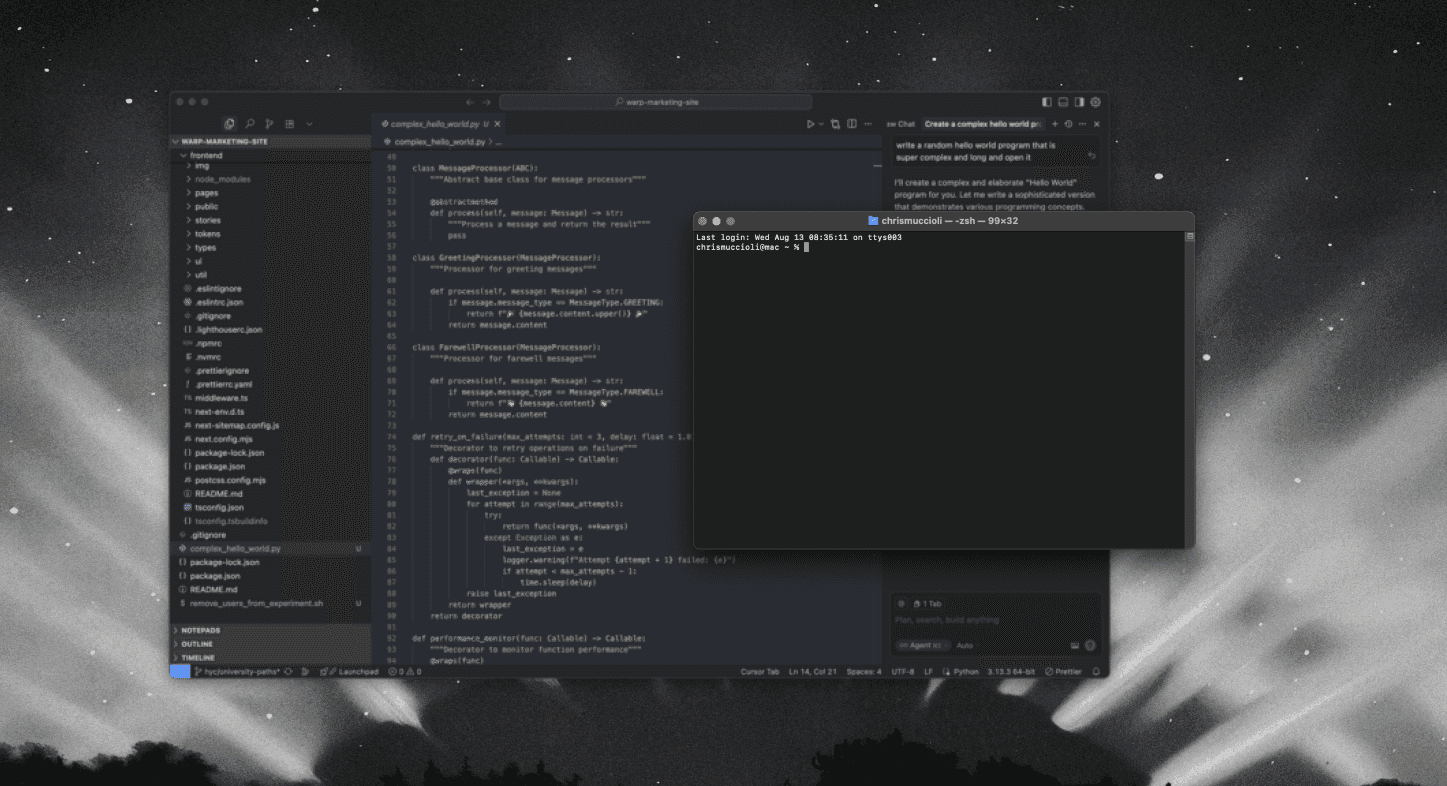
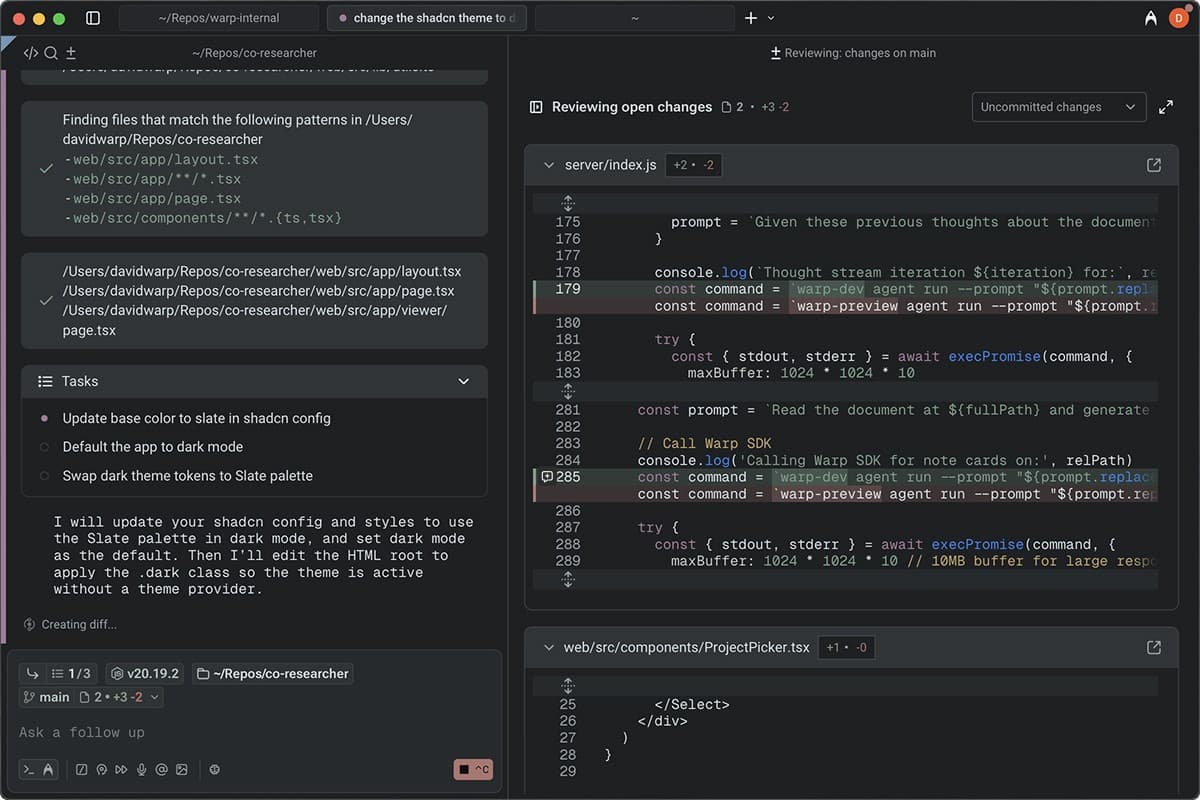
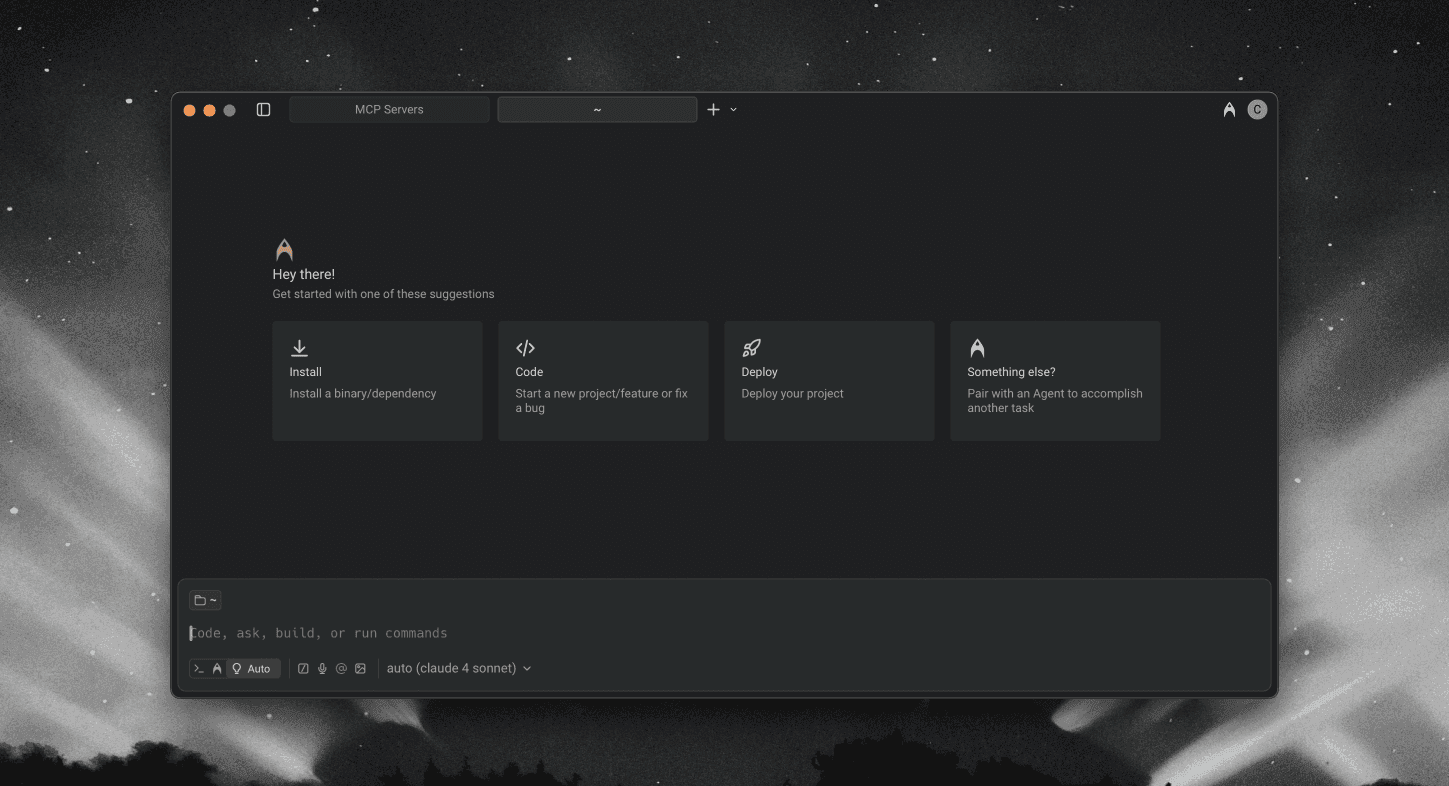
Warp's visual identity lives in the space between dark-mode developer tooling and polished consumer product marketing. The site opens on a deep dark theme — near-black backgrounds with electric blue (#01A4FF) accents that feel native to a terminal environment. The design doesn't apologize for being technical; it leans into code-centric imagery, terminal screenshots, and command-line demonstrations as primary visual content rather than abstract illustrations.
The 48 inline SVGs serve double duty as both interface elements and marketing assets — feature icons, workflow diagrams, integration logos, and navigation elements all rendered as vector graphics. Product screenshots dominate the mid-page sections, each one carefully composed to show Warp's AI autocomplete, block-based command editing, and collaborative features in context. Video demos of terminal features provide the kinetic energy that static screenshots can't deliver.
What makes Warp's design effective is its refusal to over-explain. The typography is clean and functional, the layout is generous but not wasteful, and the color palette stays disciplined — blue for interactive elements, white for text, gray for secondary content, all on dark canvas. It's a design that trusts its audience to understand what they're looking at, which is exactly the right posture for a developer tool. The site feels like a product demo that happens to be wrapped in a marketing page, not the other way around.

The Framer Challenge
Warp's site is built entirely on Framer, and this created a capture problem we hadn't encountered before. Framer hosts all media assets — images, videos, fonts — on framerusercontent.com, a CDN domain that bears no obvious relationship to warp.dev. Our pipeline's CDN auto-detection logic, designed to filter out third-party tracking pixels and analytics scripts, classified framerusercontent.com as external and excluded it from the download manifest. The first capture produced a structurally complete page with perfect HTML and zero images.
The fix required understanding how Framer's hosting architecture works. Every Framer site serves its assets from the same CDN domain regardless of the customer's custom domain. This means the "primary asset domain" heuristic — which works perfectly for sites that host images on their own CDN or a branded subdomain — fails completely for Framer sites. We added framerusercontent.com to the whitelisted CDN list and re-ran the capture, which pulled down the full visual layer.
More importantly, this established a reusable pattern for our pipeline. Framer powers thousands of marketing sites across the tech industry, and any future Framer-hosted capture would have hit the same wall. The Warp project forced us to build explicit CDN recognition for platform-hosted sites — a category that also includes Webflow's assets.website-files.com and Squarespace's image CDN. The lesson: in modern web architecture, the relationship between a domain and its assets is no longer self-evident, and any automated pipeline needs to account for the abstraction layers that site builders introduce.
Identified and solved the Framer CDN challenge — whitelisting framerusercontent.com as the primary asset domain and establishing a reusable pattern for all Framer-hosted sites in our portfolio.